
 ₹90,000
M.Sc fees
Not shared yet
Avg package
Universities
13
Total fees
₹15,948 to ₹1 L
usual range, full course
Showing 11–13 of 13
₹90,000
M.Sc fees
Not shared yet
Avg package
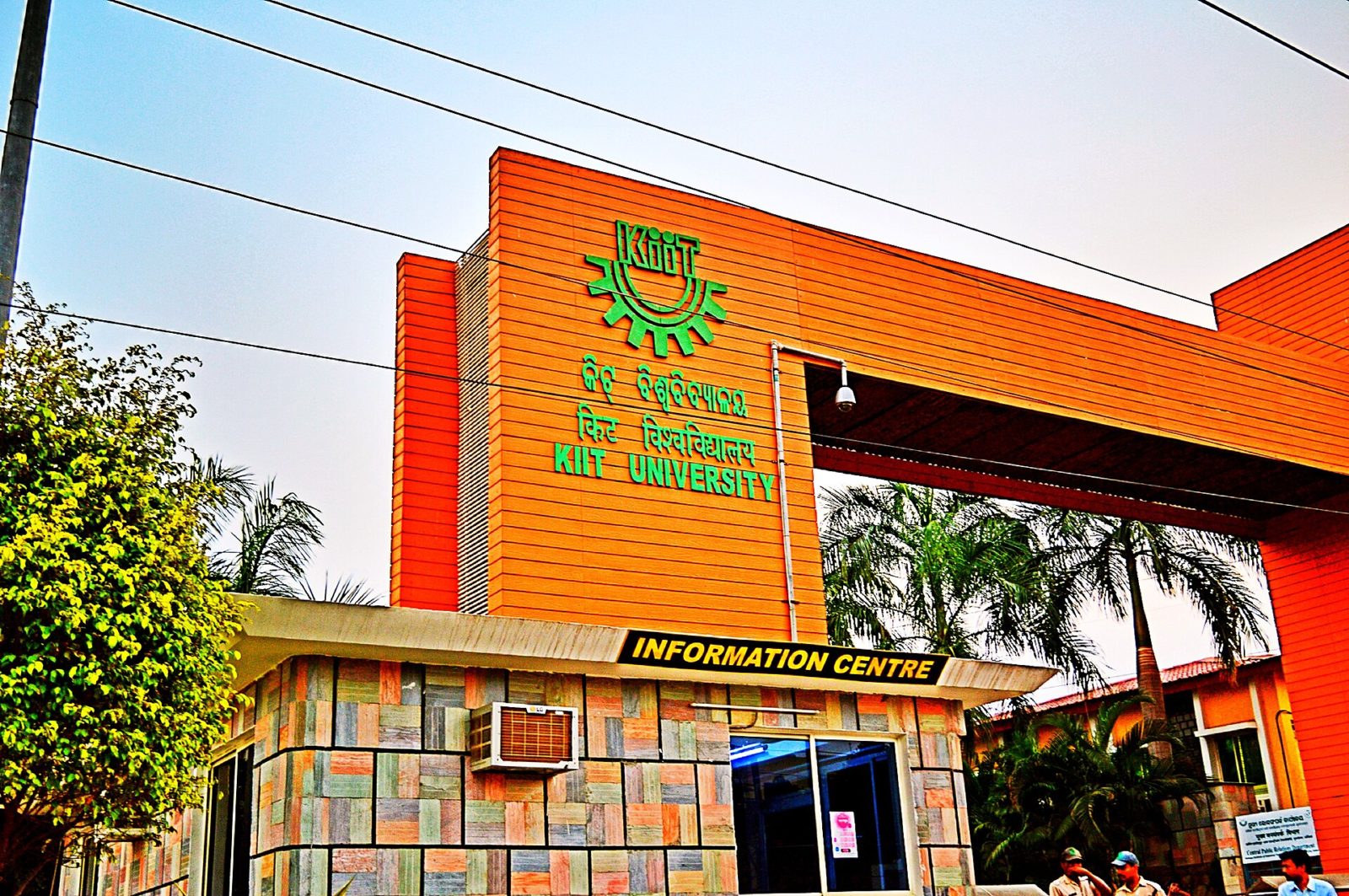 ₹4.4 L
M.Sc fees
₹8 LPA
Avg package
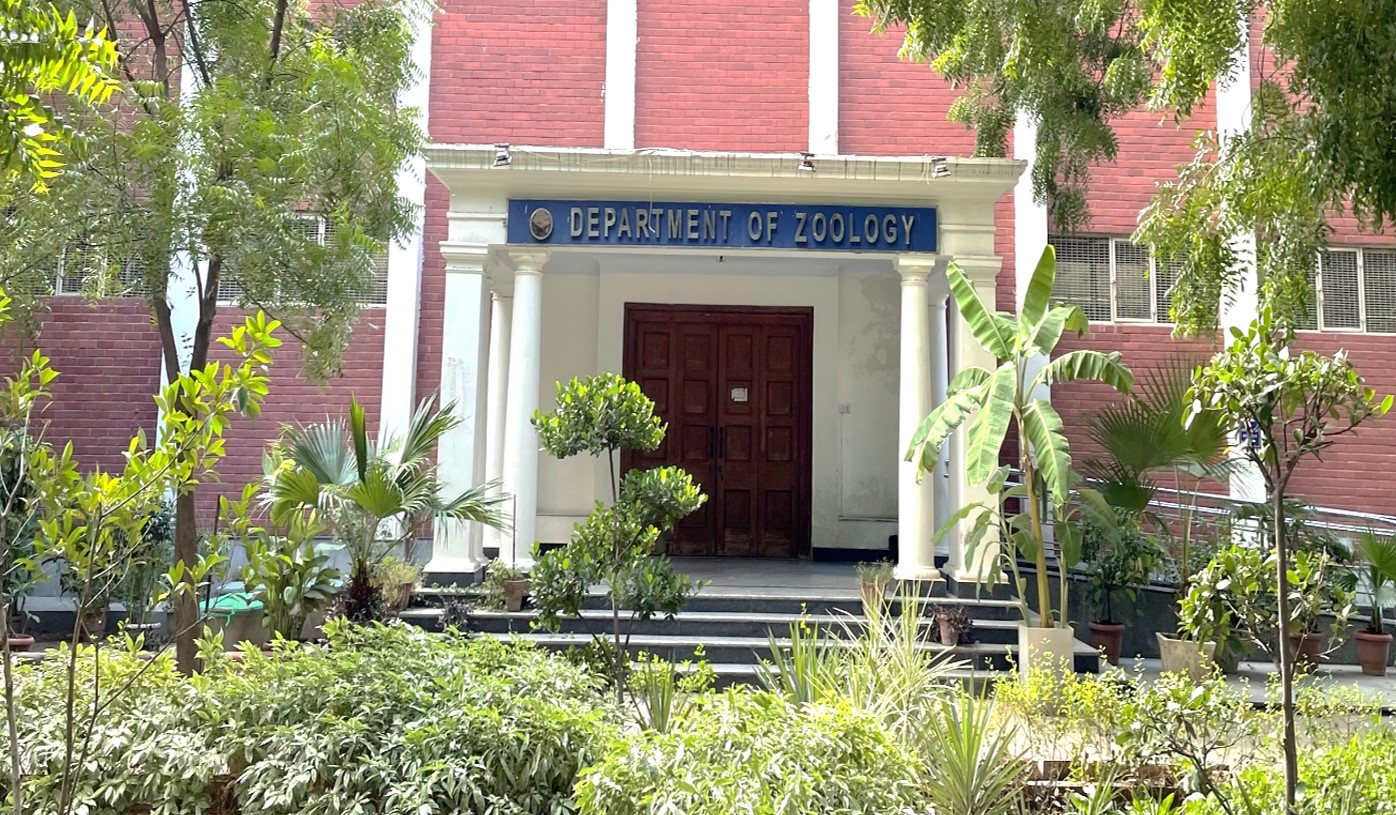 ₹7,130
M.Sc fees
₹11 LPA
Avg package
M.Sc fees
College or universityTotal fees fromAvg package
Kalinga Institute of Industrial Technology, Bhubaneswar
₹4.4 L
₹8 LPA
Kalasalingam Academy of Research and Education
₹90,000
Not shared yet
University of Delhi
₹7,130
₹11 LPA
Fees and packages as told by each college or university.
M.Sc colleges in other places
Other courses
About the course
Questions about M.Sc colleges in India
What is M.Sc?
M.Sc, or Master of Science, is a postgraduate degree that provides advanced theoretical and practical knowledge in a science-related subject.
Which colleges offer M.Sc in India?
Many colleges and universities offer M.Sc programs. VidyaLife lists 13 M.Sc colleges in India.
Which universities offer M.Sc in India?
13 universities associated with M.Sc programs are listed on VidyaLife.
Where can I study M.Sc in India?
M.Sc colleges are available across India and can be explored through Tamil Nadu (6 institutions), Uttar Pradesh (2 institutions), Assam (1 institutions), Delhi (1 institutions), Kerala (1 institutions), Maharashtra (1 institutions), Odisha (1 institutions) and Bhubaneswar (1 institutions), Chennai (1 institutions), Coimbatore North (1 institutions), Guwahati (1 institutions), Haveli (1 institutions), Kottayam (1 institutions), Lucknow (1 institutions), Sivaganga (1 institutions), Thanjavur (1 institutions), Tiruchirappalli (1 institutions).
How many colleges offer M.Sc in India?
VidyaLife currently lists 13 M.Sc colleges in India.
What are the fees for M.Sc in India?
M.Sc fees vary by subject, college, university, and institution type. ₹480 - ₹1,050,000
What are the eligibility criteria for M.Sc?
M.Sc eligibility generally requires a relevant bachelor's degree, with subject-specific requirements set by the institution. 10+2 with Mathematics, minimum 50% (45% for reserved categories)., 50%, 10+2 with subjects such as Biology, Botany, Zoology, Chemistry and Physics., 10+2 with subjects such as Biology, Botany, Zoology, Physics and Chemistry., 10+2 with subjects such as Mathematics, Physics, Chemistry, Computer Science and Biology., 10+2 with subjects such as Physics, Chemistry, Mathematics and Biology., 10+2, minimum 50%., 50%, 10+2., A bachelor's degree in a relevant subject, minimum 50%., 50%, A bachelor's degree in a relevant subject, minimum 55%., 55%, A bachelor's degree in a relevant subject., etc.
What is the duration of M.Sc?
A regular M.Sc program generally takes 2 years.
Which entrance exams are required for M.Sc?
Requirements vary by university and subject. BHU PET, CUET PG, CUET-PG, Entrance exam, GAT B, GAT-B, ICAR AIEEA, ICAR AIEEA PG, IUET, KIITEE, etc.
What specializations are available in M.Sc?
M.Sc is offered in different science disciplines and subjects. (Agriculture) Soil Science, + Ph.D., Actuarial Science, Agricultural Agronomy, Agricultural Economics, Agricultural Extension and Communication, Agriculture (Genetics and Plant Breeding), Agriculture Soil and Water Conservation, Agronomy, Analytical Chemistry, etc.
Which M.Sc colleges are available by state?
Students can explore M.Sc colleges by Tamil Nadu (6 institutions), Uttar Pradesh (2 institutions), Assam (1 institutions), Delhi (1 institutions), Kerala (1 institutions), Maharashtra (1 institutions), Odisha (1 institutions).
Is M.Sc a good career option?
M.Sc can be suitable for students seeking advanced knowledge in science and related fields, particularly those interested in research, technical work, or further study.
Read the full guide to M.Sc
The Master of Science (M.Sc.) is a postgraduate programme designed to provide advanced knowledge and specialised training in scientific disciplines. Students develop a deeper understanding of their chosen subject through advanced coursework, laboratory work, research projects, data analysis and practical applications.
Depending on the specialisation, students may study areas such as Computer Science, Data Science, Physics, Chemistry, Mathematics, Biotechnology, Psychology and Life Sciences. The programme enhances analytical, technical and research skills and prepares graduates for careers in research, education, technology, laboratories, data analysis and scientific industries, as well as for further doctoral studies.