
 ₹6 L
MBA fees
Not shared yet
Avg package
Universities
44
Total fees
₹1 L to ₹11.1 L
usual range, full course
Showing 11–20 of 44
₹6 L
MBA fees
Not shared yet
Avg package
 ₹83,050
MBA fees
₹3.2 LPA
Avg package
 ₹26,600
MBA fees
Not shared yet
Avg package
 ₹20,000
MBA fees
Not shared yet
Avg package
 ₹4.2 L
MBA fees
Not shared yet
Avg package
 ₹9.8 L
MBA fees
₹4.5 LPA
Avg package
 ₹3.1 L
MBA fees
₹10.5 LPA
Avg package
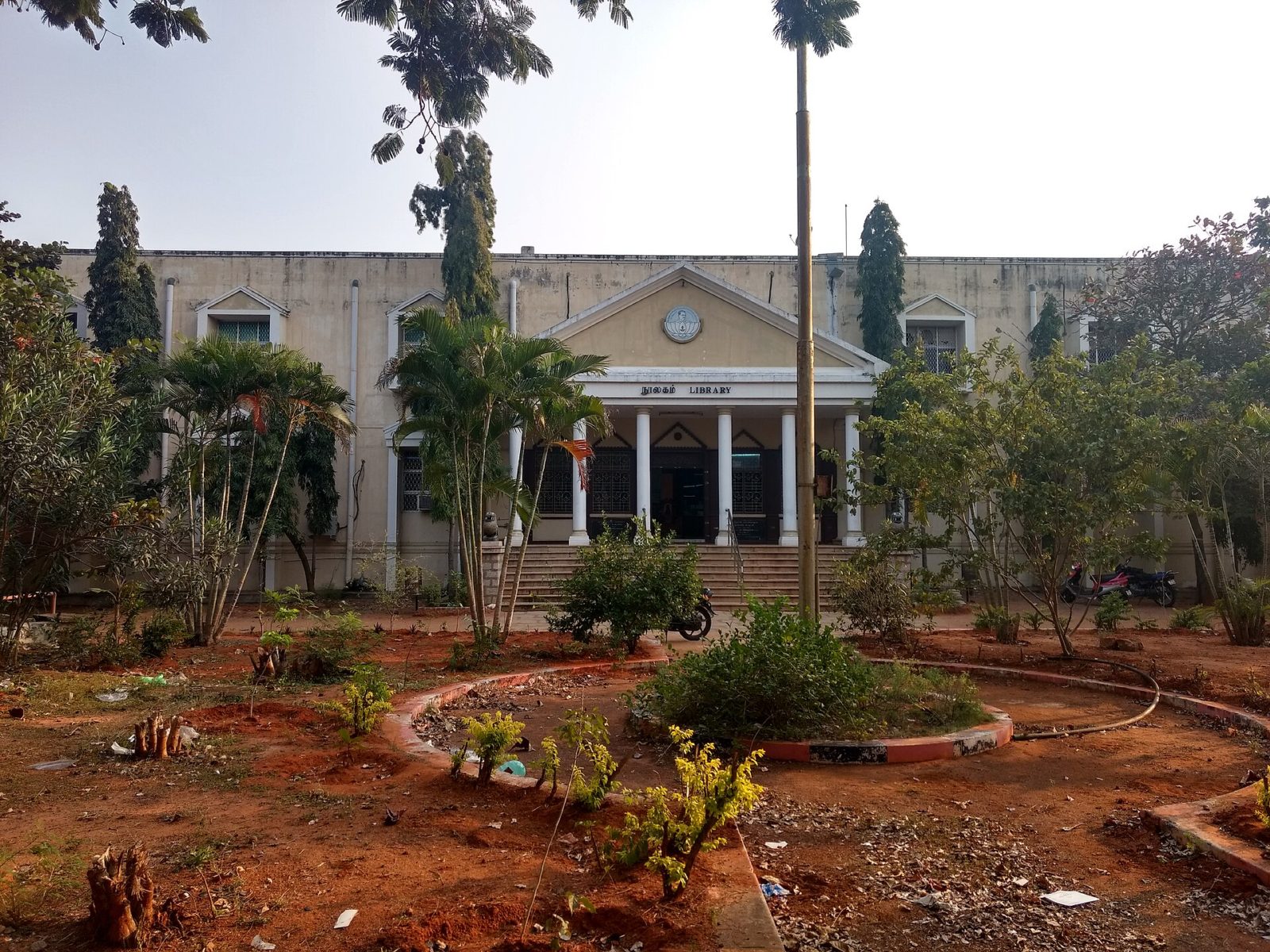 ₹98,320
MBA fees
Not shared yet
Avg package
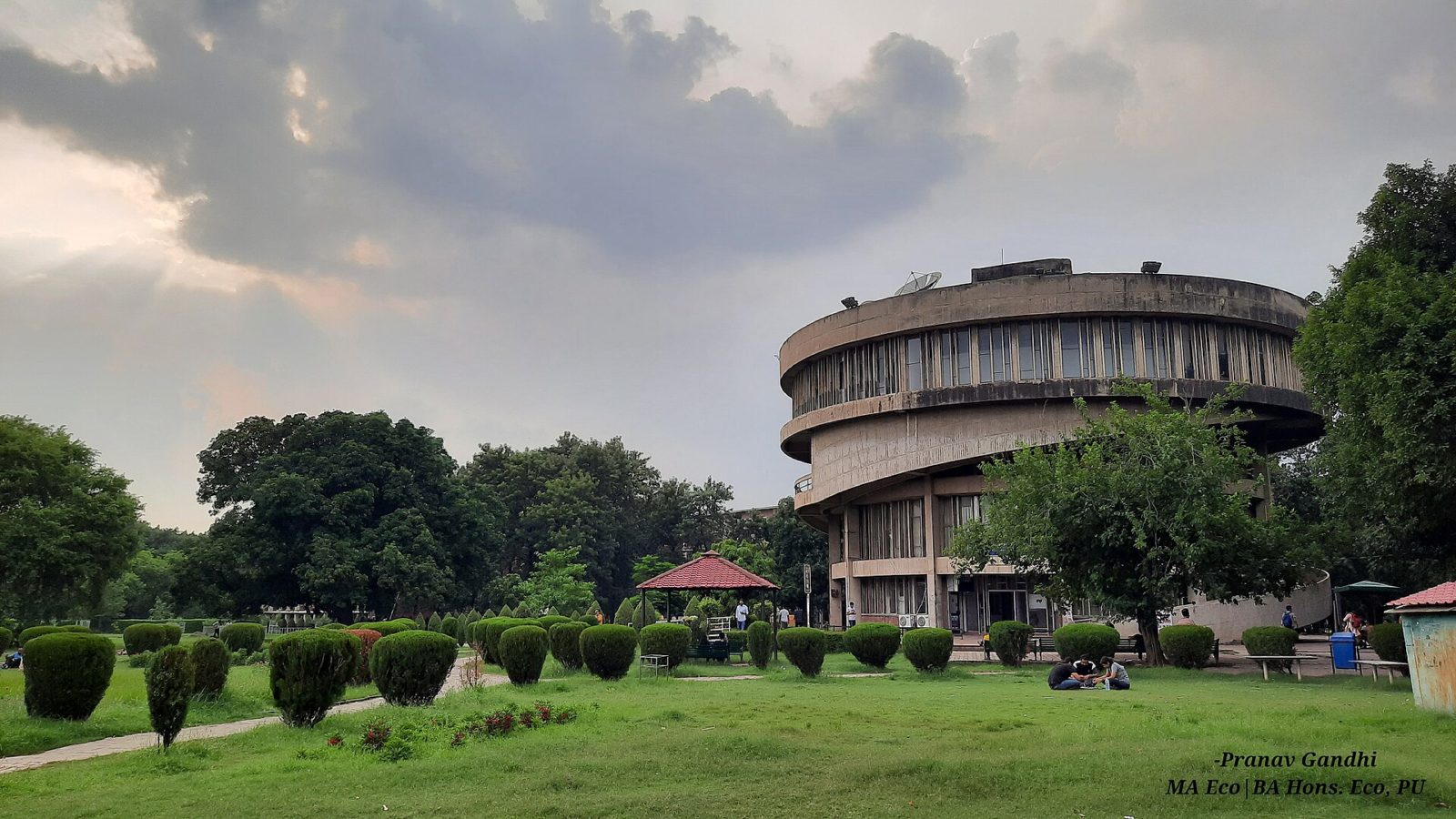 ₹47,890
MBA fees
₹12.4 LPA
Avg package
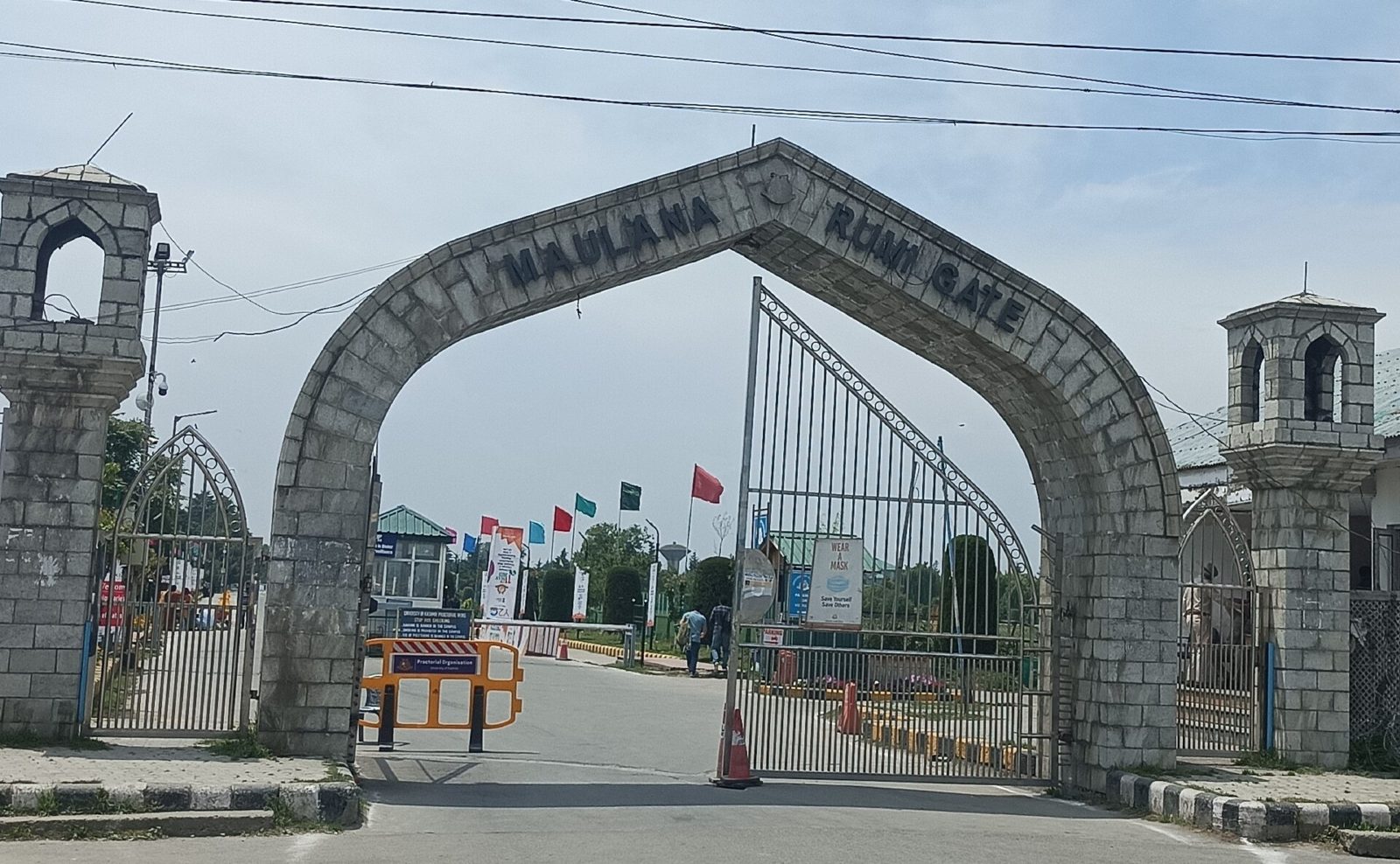 ₹1.5 L
MBA fees
Not shared yet
Avg package
MBA fees
College or universityTotal fees fromAvg package
Dr. D.Y.Patil Vidyapeeth, Pune
₹9.8 L
₹4.5 LPA
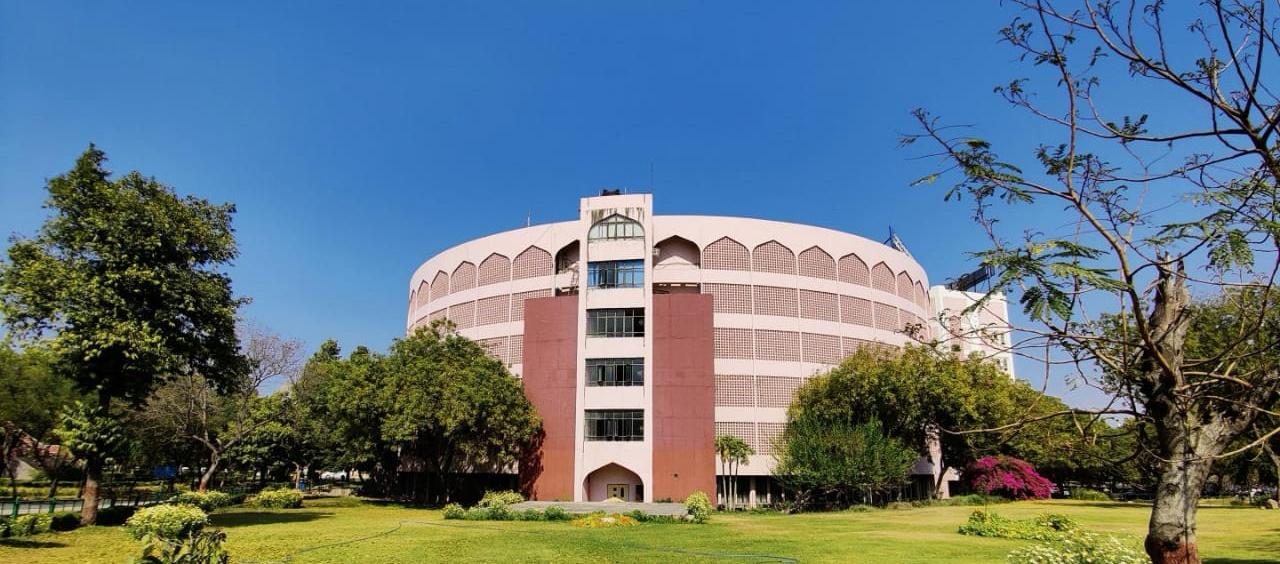
Jamia Hamdard
₹6 L
Not shared yet
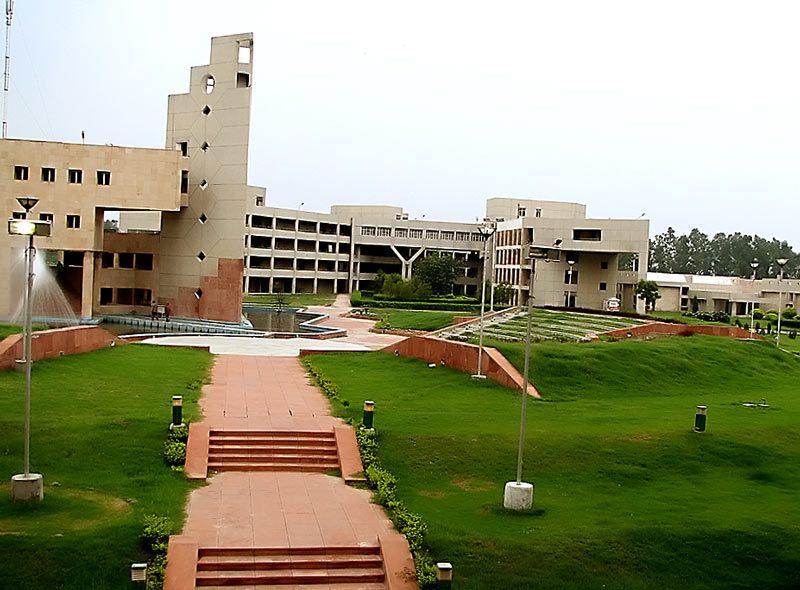
Delhi Technological University
₹4.2 L
Not shared yet
Institute of Chemical Technology, Mumbai
₹3.1 L
₹10.5 LPA
University of Kashmir, Srinagar
₹1.5 L
Not shared yet
Bharathidasan University, Tiruchirappalli
₹98,320
Not shared yet
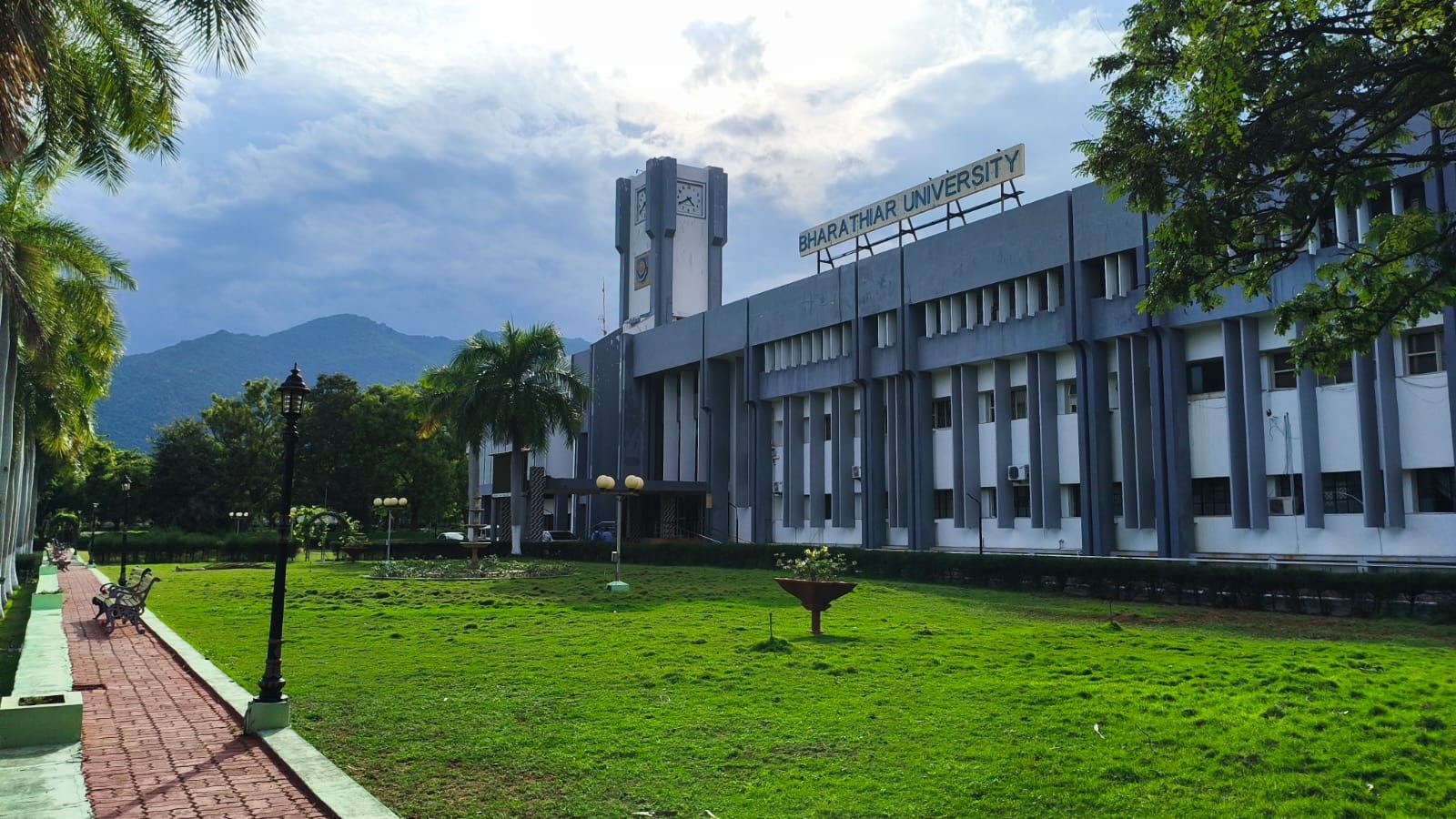
Bharathiar University, Coimbatore
₹83,050
₹3.2 LPA
Panjab University,Chandigarh
₹47,890
₹12.4 LPA
Alagappa University, Alagappa Nagar, Karaikudi
₹26,600
Not shared yet
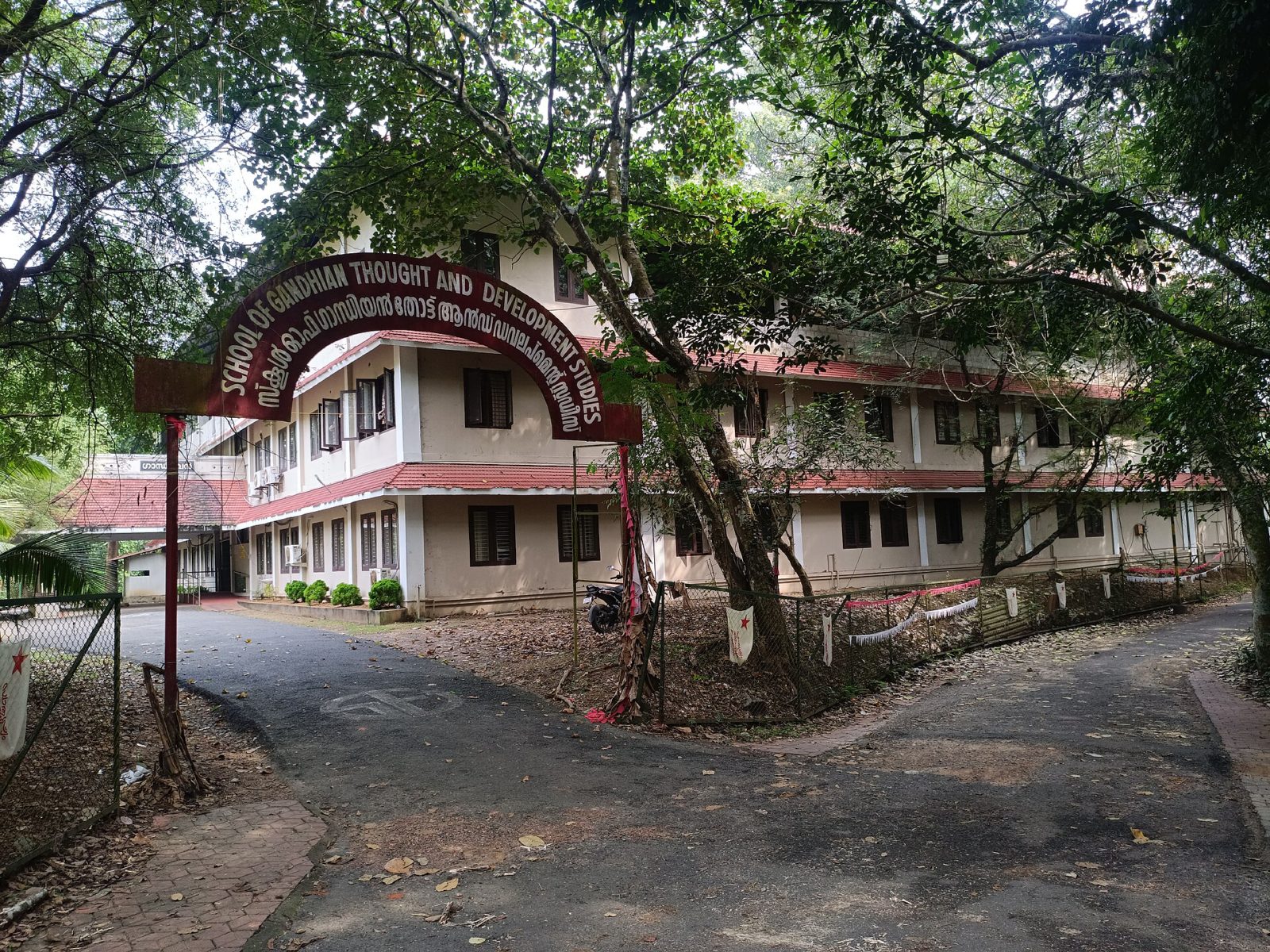
Mahatma Gandhi University, Kottayam
₹20,000
Not shared yet
Fees and packages as told by each college or university.
MBA colleges in other places
Other courses
About the course
Questions about MBA colleges in India
What is MBA?
MBA, or Master of Business Administration, is a postgraduate management degree covering areas such as business management, finance, marketing, operations, strategy, and related fields.
Which colleges offer MBA in India?
Many colleges, universities, and business schools offer MBA programs. VidyaLife lists 44 MBA colleges in India for students to explore and compare.
Which universities offer MBA in India?
44 universities associated with MBA programs are listed on VidyaLife.
Where can I study MBA in India?
MBA colleges are available across India. Students can explore them by Tamil Nadu (10 institutions), Delhi (6 institutions), Maharashtra (5 institutions), Uttar Pradesh (4 institutions), Kerala (3 institutions), Punjab (3 institutions), Karnataka (2 institutions), Odisha (2 institutions), Telangana (2 institutions), Andhra Pradesh (1 institutions) and Chennai (3 institutions), New Delhi (3 institutions), Bhubaneswar (2 institutions), Hyderabad (2 institutions), Pune (2 institutions), Aligarh (1 institutions), Chandigarh (1 institutions), Coimbatore North (1 institutions), Coimbatore South (1 institutions), Dehradun (1 institutions).
How many colleges offer MBA in India?
VidyaLife currently lists 44 MBA colleges in India.
What are the fees for MBA in India?
MBA fees vary considerably by college, university, program type, specialization, and institution. ₹2,671 - ₹2,537,500
What are the eligibility criteria for MBA?
MBA eligibility generally requires a bachelor's degree, although specific requirements vary by institution and admission route. 10+2 with English, minimum 50%., 50%, 10+2 with Mathematics, minimum 50%. Entrance: CAT, MAT, XAT and CMAT., 50%, 10+2, minimum 50%. Entrance: TANCET., 50%, 10+2, minimum 50%., 50%, A bachelor's degree in a relevant subject, minimum 60%., 60%, A bachelor's degree with Accountancy, minimum 55%. Entrance: CAT, MAT, XAT and CMAT., 55%, A bachelor's degree with Accountancy, minimum 55%. Entrance: CUET UG, CAT, MAT and XAT., 55%, A bachelor's degree with Accountancy, minimum 55%., 55%, A bachelor's degree with Agriculture, minimum 50% (45% for SC/ST). Entrance: CAT., 50%, A bachelor's degree with Agriculture, minimum 50%. Entrance: CAT, MAT, XAT and CMAT., 50%, etc.
What is the duration of MBA?
A regular full-time MBA program generally takes 2 years to complete.
How can I get admission to MBA?
MBA admission may involve entrance examinations, academic merit, group discussions, interviews, or other institution-specific selection processes. Counselling & Rank Verification: Participate in centralized single-window counselling for seat allotment based on category rank and marks., Document Verification & Fee Payment: Report to the university department, verify qualifying documents, and pay the admission fees., Entrance Exam Score Submission: Submit valid scores from recognized management aptitude tests such as CAT, MAT, CMAT, XAT, or GMAT., Entrance Examination: Appear for the Common Admission Test (CAT) conducted by IIMs and secure the required cutoff percentile., Entrance Examination: Appear for the Common Admission Test (CAT) conducted by the IIMs., Entrance Examination: Register and appear for TANCET (or entrance exams like CAT/MAT) conducted for Tamil Nadu MBA admissions., GD & Personal Interview: Shortlisted candidates appear for Group Discussion and Personal Interview rounds for final merit list preparation., GD, Extempore & PI: Shortlisted candidates appear for Group Discussion, Extempore, and Personal Interview rounds for final merit calculation., GD, Extempore & PI: Shortlisted candidates appear for Group Discussion, Extempore, and Personal Interview rounds for final selection., Merit List & Counselling: Final seat allotment and admission confirmation based on a composite score derived from CAT performance, GD, and PI., etc.
Which entrance exams are required for MBA?
MBA entrance requirements vary by institution. Relevant national, state, and university-level examinations can be shown through ACAT, AMU Entrance Test, ATMA, CAT, CMAT, CUET PG, CUSAT CAT, GATE, GMAT, GMAT Exam (India), etc.
What specializations are available in MBA?
MBA is available in several management disciplines. The specializations mapped to the course can be shown through (Executive Programme) Evening, (Hospital & Health Care Management) Evening, 1+1 with International Credit Transfer Option, 3 Continent, Agri Business Management, Agri Operations Management, Agribusiness, Agribusiness Management, Agriculture Business Management, Agriculture and Food Business, etc.
Which MBA colleges are available by state?
Students can explore MBA colleges by state through Tamil Nadu (10 institutions), Delhi (6 institutions), Maharashtra (5 institutions), Uttar Pradesh (4 institutions), Kerala (3 institutions), Punjab (3 institutions), Karnataka (2 institutions), Odisha (2 institutions), Telangana (2 institutions), Andhra Pradesh (1 institutions).
Is MBA a good career option?
MBA can be suitable for students interested in management, business, leadership, and organizational roles. Its value depends on the institution, specialization, skills, experience, and career goals.
Read the full guide to MBA
Master of Business Administration (MBA) is a postgraduate degree focused on business management, leadership, strategy, finance, marketing, human resources, operations, and entrepreneurship. The program develops managerial, analytical, communication, decision-making, and leadership skills through case studies, projects, presentations, and practical business applications. It prepares graduates for managerial and leadership roles across various industries and business functions.
Master of Business Administration (MBA) is a postgraduate degree focused on business management, leadership, strategy, finance, marketing, human resources, operations, and entrepreneurship. The program develops managerial, analytical, communication, decision-making, and leadership skills through case studies, projects, presentations, and practical business applications. It prepares graduates for managerial and leadership roles across various industries and business functions.
Master of Business Administration (MBA) is a postgraduate degree focused on business management, leadership, strategy, finance, marketing, human resources, operations, and entrepreneurship. The program develops managerial, analytical, communication, decision-making, and leadership skills through case studies, projects, presentations, and practical business applications. It prepares graduates for managerial and leadership roles across various industries and business functions.
Master of Business Administration (MBA) is a postgraduate degree focused on business management, leadership, strategy, finance, marketing, human resources, operations, and entrepreneurship. The program develops managerial, analytical, communication, decision-making, and leadership skills through case studies, projects, presentations, and practical business applications. It prepares graduates for managerial and leadership roles across various industries and business functions.
Master of Business Administration (MBA) is a postgraduate degree focused on business management, leadership, strategy, finance, marketing, human resources, operations, and entrepreneurship. The program develops managerial, analytical, communication, decision-making, and leadership skills through case studies, projects, presentations, and practical business applications. It prepares graduates for managerial and leadership roles across various industries and business functions.