
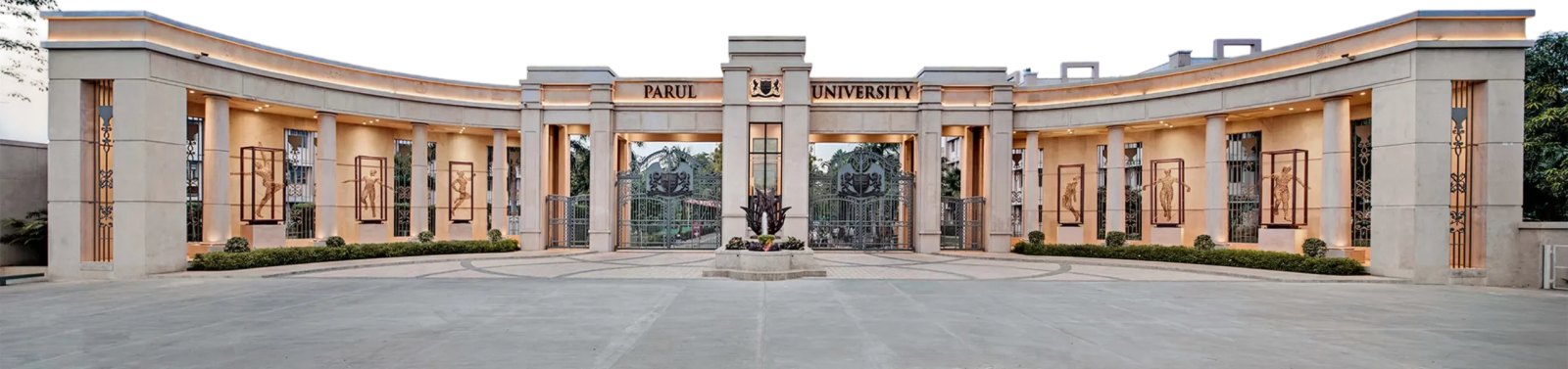
 ₹2.5 L
B.Sc fees
₹6 LPA
Avg package
Universities
8
Total fees
₹3.8 L to ₹8.4 L
usual range, full course
Showing 1–8 of 8
₹2.5 L
B.Sc fees
₹6 LPA
Avg package
 ₹2.3 L
B.Sc fees
₹4.5 LPA
Avg package
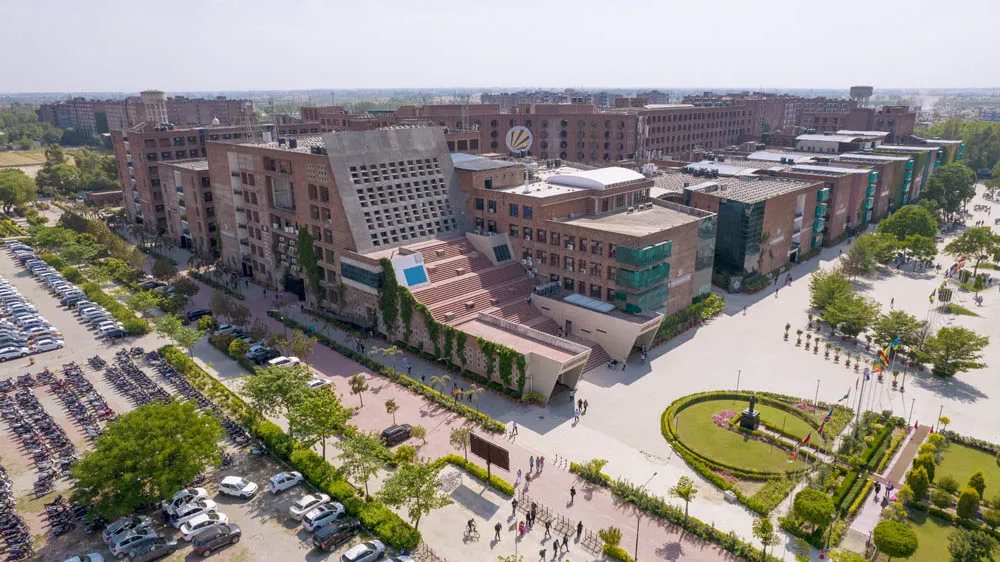 ₹2.4 L
B.Sc fees
Not shared yet
Avg package
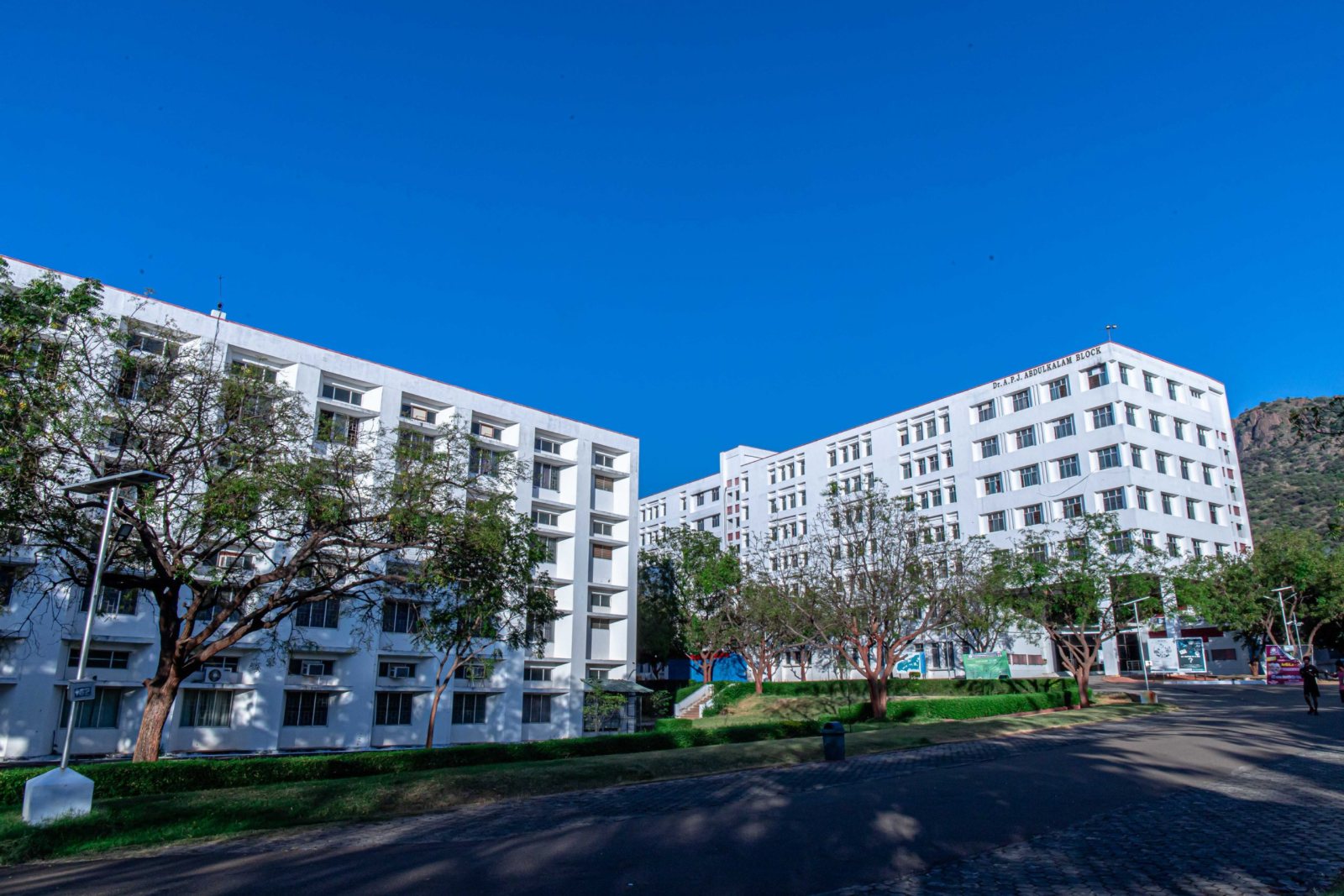 ₹75,600
B.Sc fees
Not shared yet
Avg package
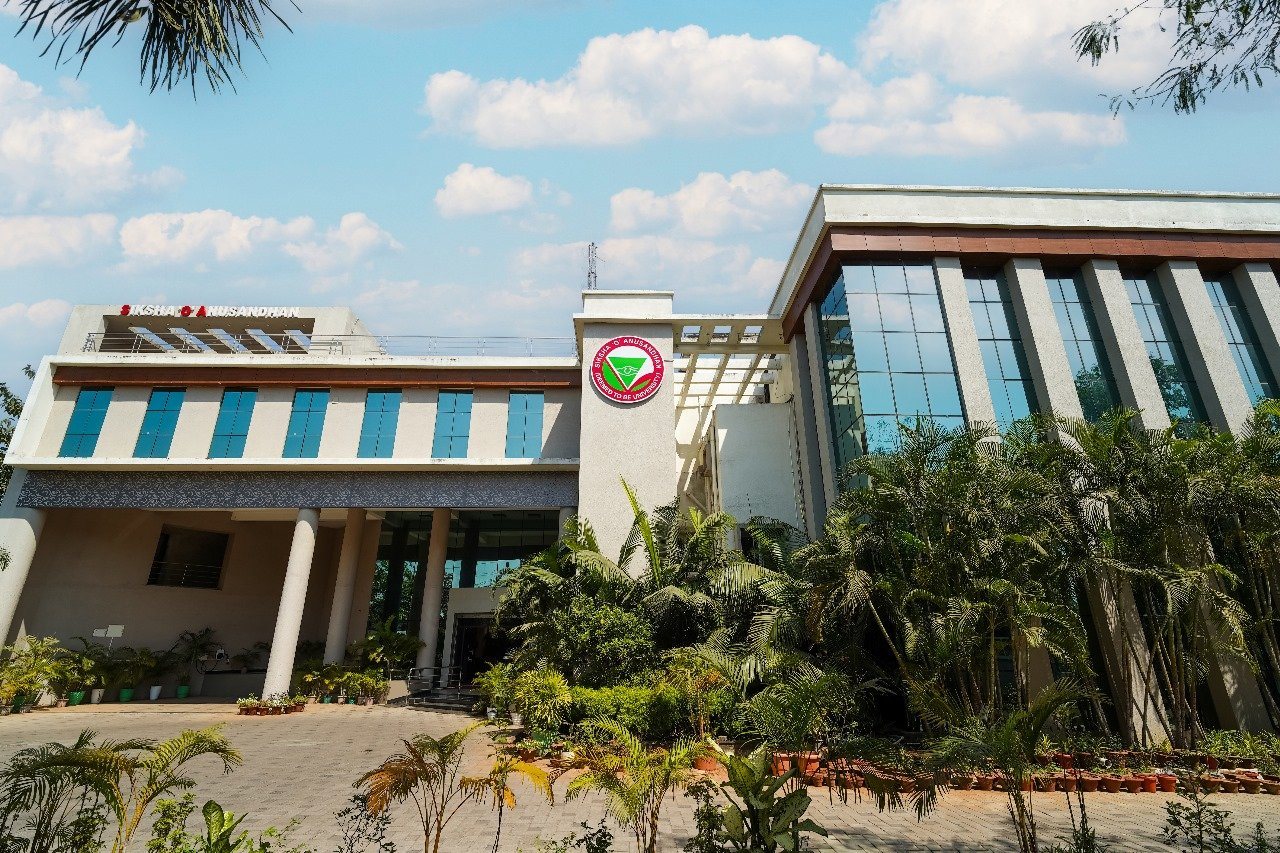 ₹3 L
B.Sc fees
Not shared yet
Avg package
 ₹1.8 L
B.Sc fees
Not shared yet
Avg package
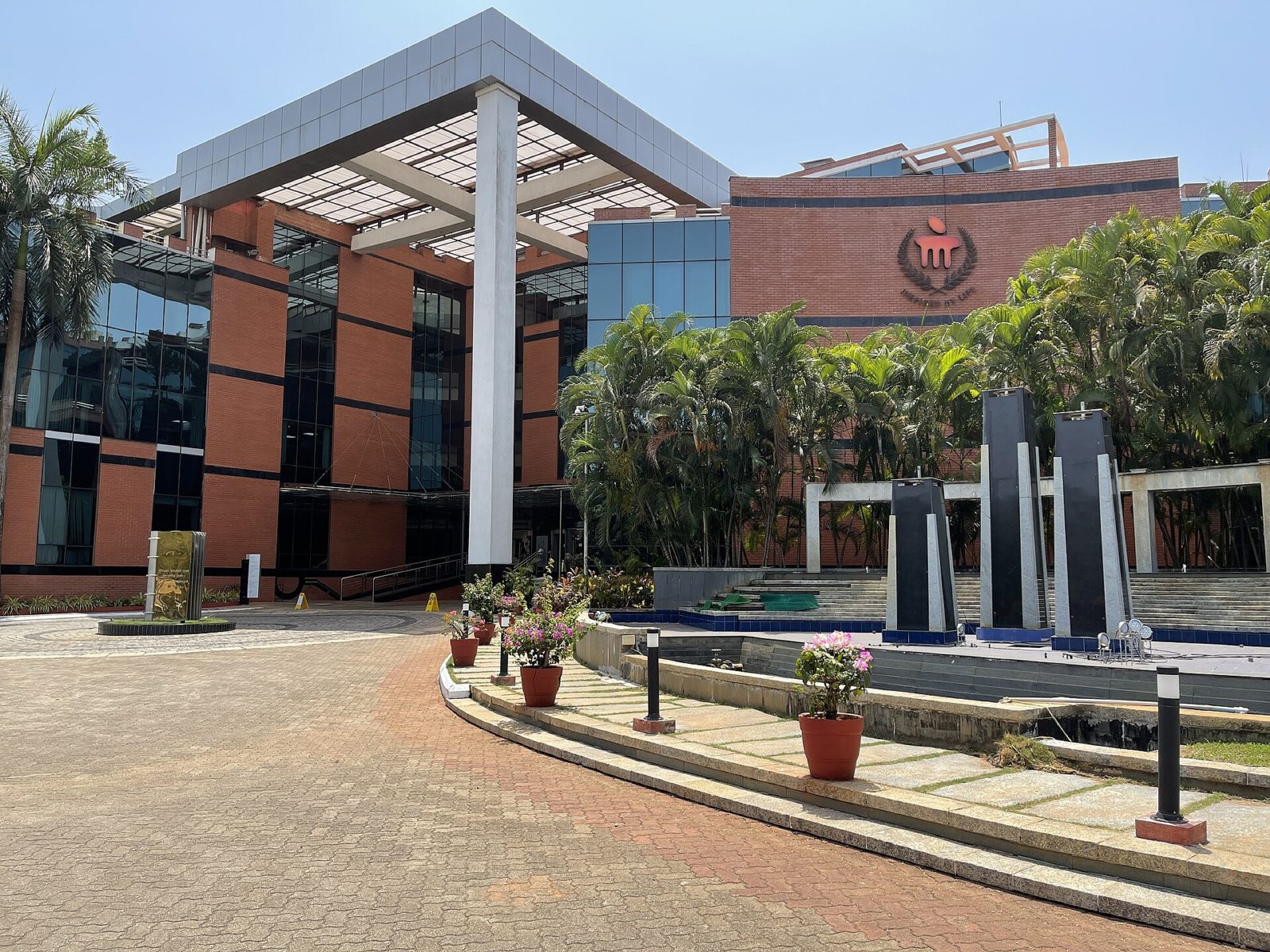 ₹3.5 L
B.Sc fees
₹10.5 LPA
Avg package
B.Sc fees
College or universityTotal fees fromAvg package
Manipal Academy of Higher Education, Manipal
₹3.5 L
₹10.5 LPA
Siksha 'O' Anusandhan
₹3 L
Not shared yet
PARUL UNIVERSITY
₹2.5 L
₹6 LPA
Lovely Professional University
₹2.4 L
Not shared yet
Dr. D.Y.Patil Vidyapeeth, Pune
₹2.3 L
₹4.5 LPA
Amrita Vishwa Vidyapeetham, Coimbatore
₹1.8 L
Not shared yet
Kalasalingam Academy of Research and Education
₹75,600
Not shared yet
Datta Meghe Institute of Higher Education & Research (Deemed to be University)
₹45,000
Not shared yet
Fees and packages as told by each college or university.
B.Sc colleges in other places
Other courses
About the course
Questions about B.Sc colleges in India
What is B.Sc?
B.Sc, or Bachelor of Science, is an undergraduate degree that provides academic and practical knowledge in a science-related subject.
Which colleges offer B.Sc in India?
Many colleges and universities offer B.Sc programs in India. VidyaLife lists 8 B.Sc colleges in India for students to explore and compare.
Which universities offer B.Sc in India?
8 universities associated with B.Sc programs are listed on VidyaLife.
Where can I study B.Sc in India?
B.Sc colleges are available across India. Students can explore options by Maharashtra (2 institutions), Tamil Nadu (2 institutions), Gujarat (1 institutions), Karnataka (1 institutions), Odisha (1 institutions), Punjab (1 institutions) and Bhubaneswar (1 institutions), Coimbatore South (1 institutions), Manipal (1 institutions), Phagwara (1 institutions), Pune (1 institutions), Sawangi (1 institutions), Vadodara (1 institutions), Virudhunagar (1 institutions).
How many colleges offer B.Sc in India?
VidyaLife currently lists 8 B.Sc colleges in India.
What are the fees for B.Sc in India?
B.Sc fees vary according to the college, university, subject, and institution type. ₹45,000 - ₹4,789,000
What are the eligibility criteria for B.Sc?
B.Sc eligibility generally requires completion of Class 12, with required subjects depending on the B.Sc program. 10+2 or equivalent with Physics, Chemistry, and Biology/Mathematics from a recognized board, 50%, 10+2 with Biology, Physics and Chemistry, minimum 60%., 60%, 10+2 with Biology., 10+2 with Computer Science, Physics, Chemistry and Mathematics, minimum 45% (40% for SC/ST)., 45%, 10+2 with English and Chemistry, minimum 60%., 60%, 10+2 with English, Physics and Mathematics, minimum 60%., 60%, 10+2 with English, Physics, Chemistry and Biology, minimum 50%., 50%, 10+2 with English, Physics, Chemistry and Biology, minimum 60%. Age limit: up to 23 years. Minimum age: 17 years., 60%, 10+2 with English, Physics, Chemistry and Biology, minimum 60%. Entrance: CUET UG., 60%, 10+2 with English, Physics, Chemistry and Mathematics, minimum 60%., 60%, etc.
What is the duration of B.Sc?
A regular B.Sc program generally takes 3 years, although some programs may have a different duration.
Which entrance exams are required for B.Sc?
Entrance requirements vary by B.Sc program and institution. Relevant examinations can be shown through AEEB, AEEL, AIDAT, CUET, CUET UG, DMIHER-CET, Gujarat NEET, ICAR AIEEA, JEE Main, Kalasalingam Common Entrance Examination, etc.
What specializations are available in B.Sc?
B.Sc is available across subjects and disciplines such as science and related fields. VidyaLife can dynamically show Accident And Emergency Care Technology, Agriculture, Agriculture (Hons), Airlines Tourism and Hospitality, Airlines Tourism and Hospitality Lateral Entry, Allied Health Sciences, Anaesthesia Technology, Anaesthesia and Operation Theatre Technology, Anesthesia Technology, Anesthesia and Critical Care, etc.
Which B.Sc colleges are available by state?
Students can explore B.Sc colleges by state through Maharashtra (2 institutions), Tamil Nadu (2 institutions), Gujarat (1 institutions), Karnataka (1 institutions), Odisha (1 institutions), Punjab (1 institutions).
Is B.Sc a good career option?
B.Sc can be a suitable option for students interested in science and related careers. Career opportunities depend strongly on the subject, skills, experience, and further study.
Read the full guide to B.Sc
The Bachelor of Science (B.Sc.) is an undergraduate programme that provides students with a strong foundation in scientific concepts, analytical thinking, research and practical skills. Depending on the chosen specialisation, students study subjects such as Physics, Chemistry, Mathematics, Computer Science, Biotechnology, Data Science, Life Sciences and other scientific disciplines.
The programme combines classroom learning with laboratory work, practical sessions, projects and research-oriented activities, helping students develop problem-solving and technical skills. Graduates can pursue careers in research, technology, education, healthcare, data analysis, laboratories and other scientific and technical fields, or continue their studies through postgraduate programmes.